
CO2 Laser Marking System
LC130 CO2 Laser Marking Machine
The LC130 CO2 Laser is built for non-contact coding and marking on packaging materials, cartons, paper, PET, selected plastics, wood and other CO2-responsive substrates. It is a practical route for date codes, batch numbers, product identification and traceability marks where clean, ink-free coding is preferred.
Request the LC130 PDF
Please leave your contact details before downloading the LC130 product file.
Where It Fits
CO2 laser coding for packaging and non-metal materials
LC130 is typically considered when products need permanent, consumable-free codes on cartons, labels, PET containers, films, wood or other organic and polymer-based materials. The final marking result depends on material composition, surface color, coating and line speed.
Packaging coding
Useful for date codes, batch numbers, lot codes and production identifiers on cartons, labels, sleeves and suitable rigid packaging.
Ink-free operation
CO2 marking removes ink and solvent consumables from suitable coding workflows, reducing routine consumable handling for matched applications.
Line integration
Can be integrated with product detection, encoder signals and production-line control requirements for stationary or flying marking applications.
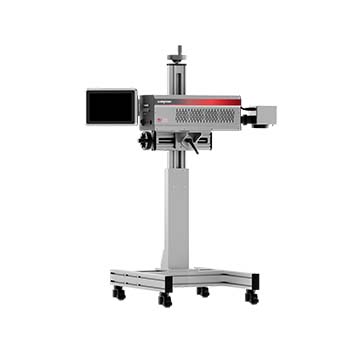
Machine Photo Gallery
LC130 CO2 Laser machine photos
These product photos give a quick view of the LC130 equipment structure before checking application fit and technical parameters.


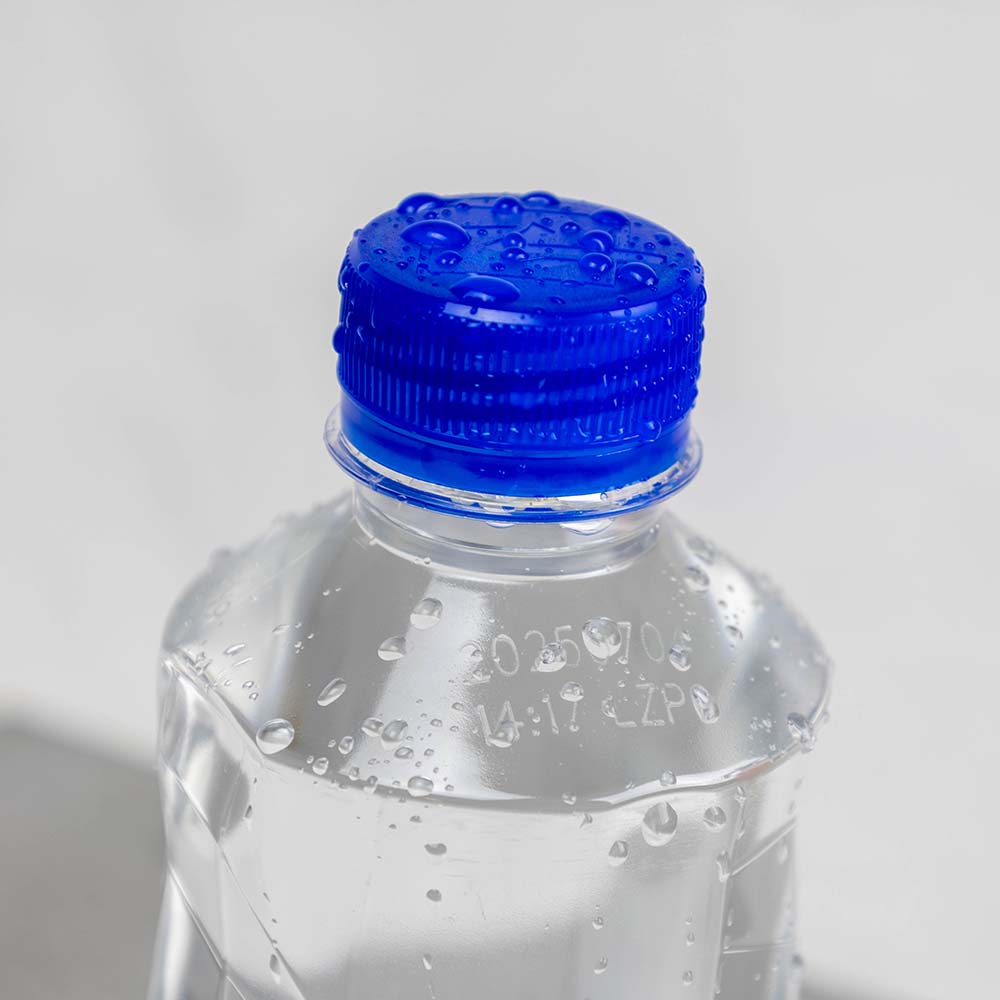
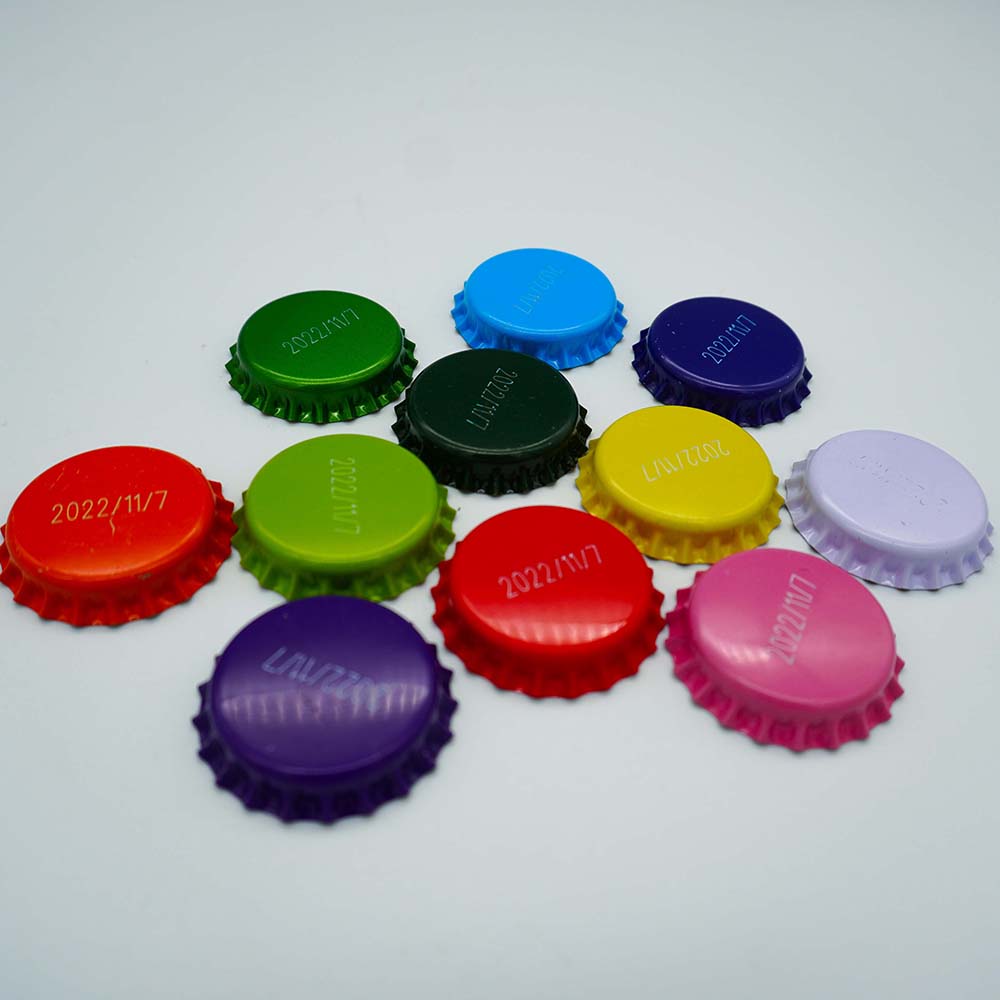
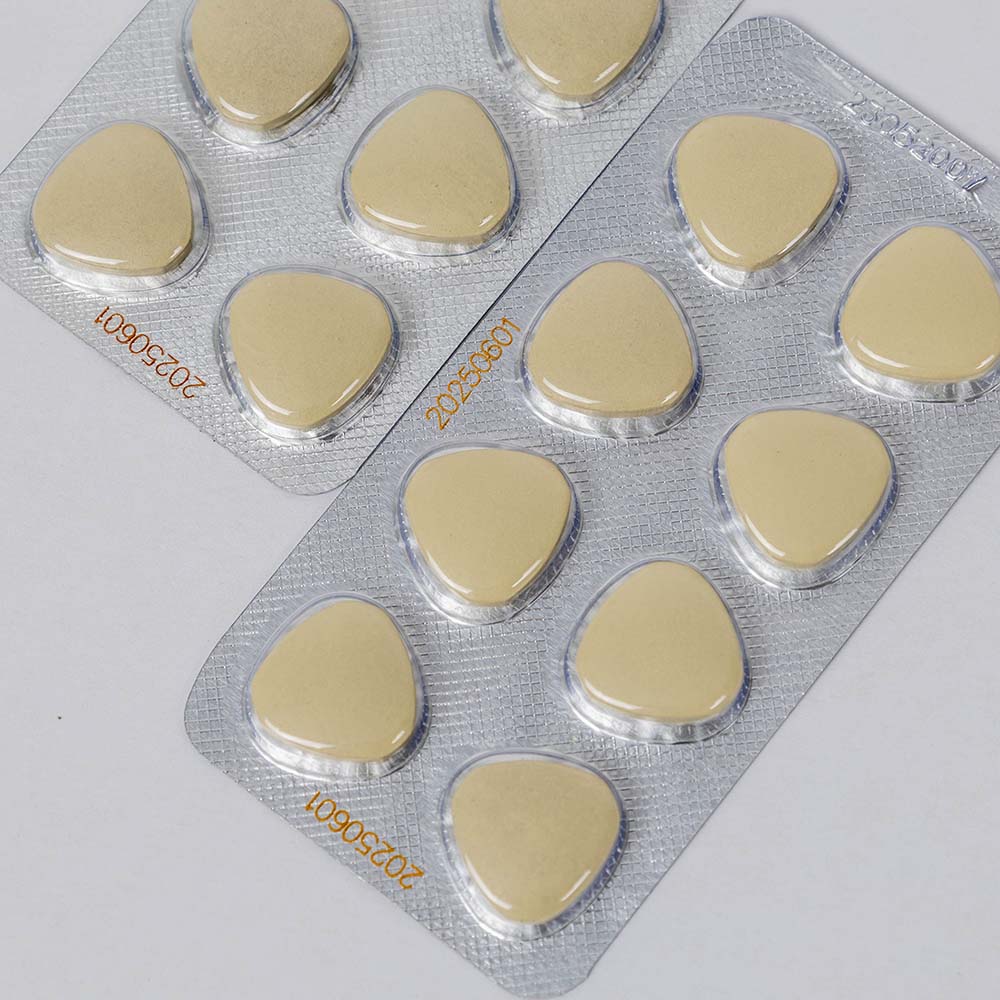
Application Samples
Representative samples for LC130 CO2 Laser marking
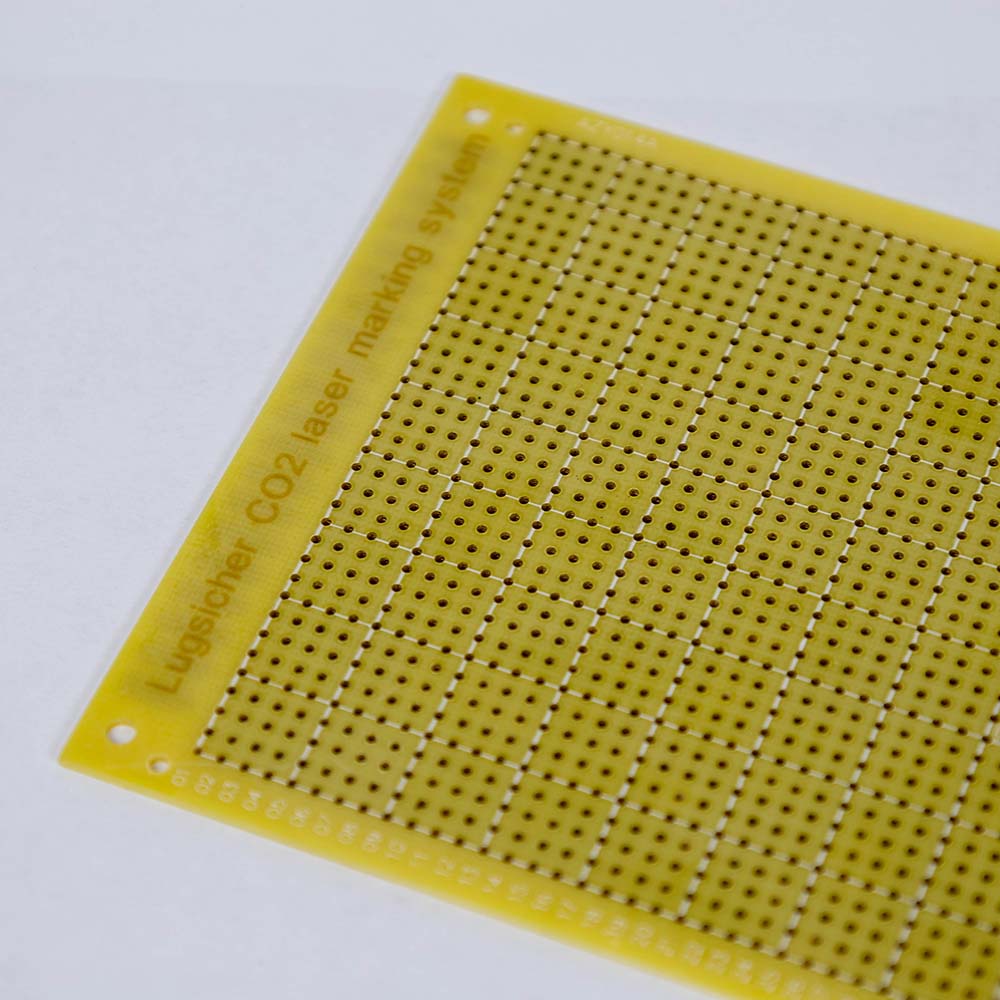
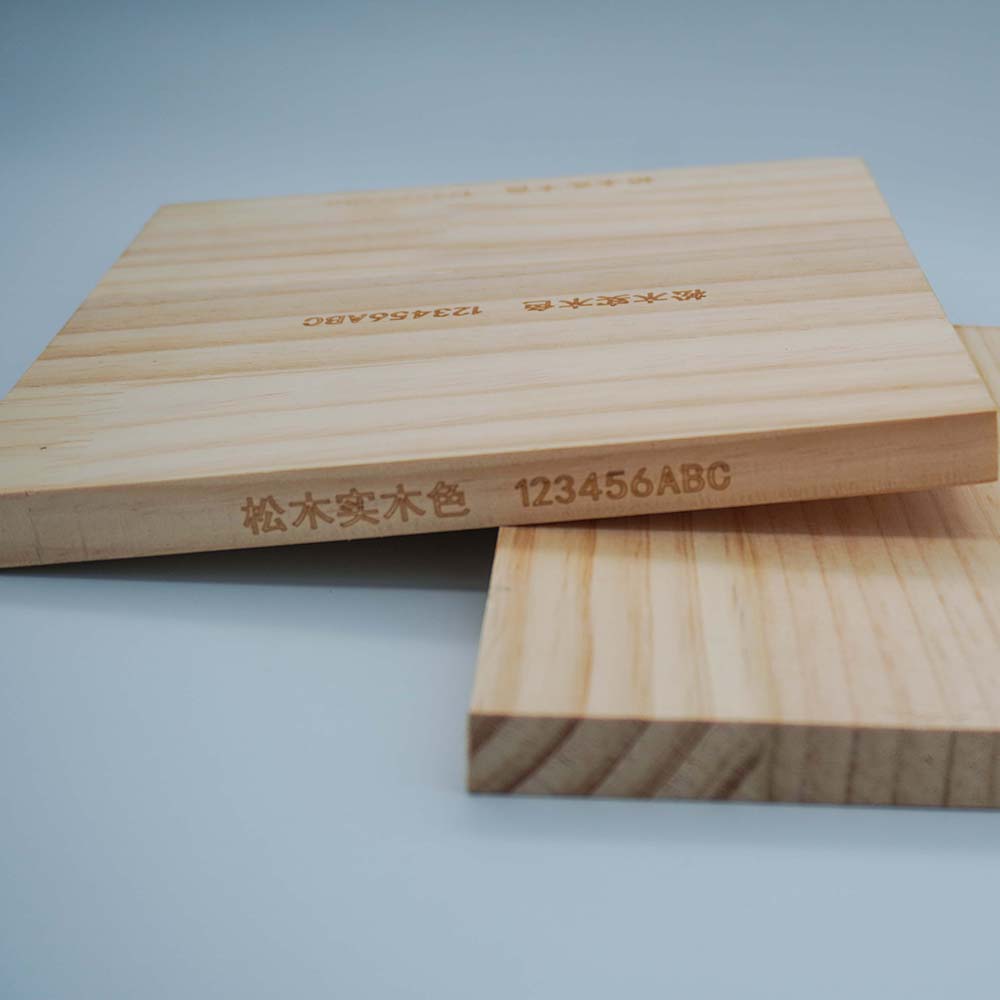
Sample photos show typical packaging and material directions where CO2 laser coding may be evaluated for contrast, readability and permanence.
Technical Parameters
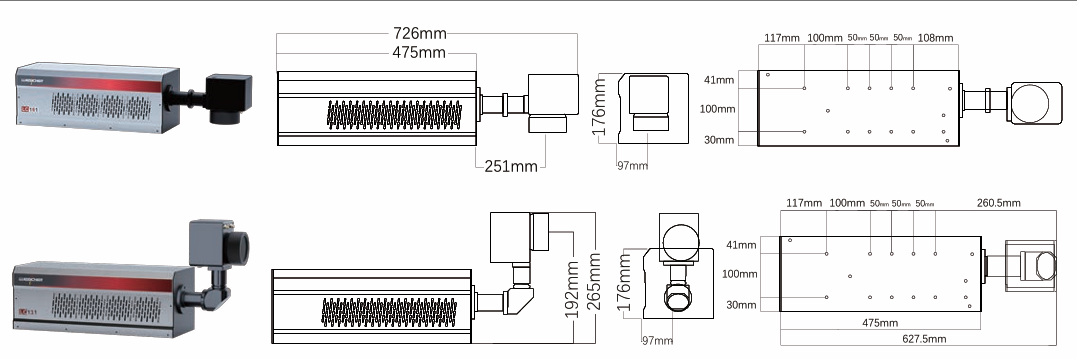
LC130 CO2 Laser dimensions and key specifications
Use these parameters for first-stage engineering review. Final selection depends on material response, desired mark size, optical lens, marking distance, conveyor speed and installation space.
| Control interface | LugTec operating system with external touch-screen operation for marking setup, production adjustment and system monitoring. |
|---|---|
| Typical marking content | Dates, batch numbers, serial numbers, product IDs, logos, graphics, barcodes, QR codes and Data Matrix codes for traceability workflows. |
| Common substrates | Paper, cartons, coated packaging, PET, selected plastics, wood, leather, glass and other CO2-responsive materials after sample confirmation. |
| Production mode | Supports static marking and flying marking when product detection, encoder signal and marking window are properly configured. |
| Application fit | Food and beverage packaging, daily chemical packaging, pharmaceutical packaging, household packaging and general industrial identification. |
| Integration | Product sensors, encoder input, communication interfaces and I/O signals can support line integration and interlock requirements. |
| Selection factors | Material, color contrast, coating, mark size, line speed, available space, dust extraction requirement and safety enclosure arrangement. |
| Optional support | Lens selection, mounting bracket, synchronizer, product detection setup and fume extraction should be reviewed against the project layout. |
CO2 laser marking performance is material-dependent. Sample testing is recommended before confirming power, lens and final production layout.
Applications
Typical LC130 CO2 Laser application scenarios
LC130 is strongest where packaging readability, production speed and low-consumable coding are more important than deep engraving on metal.
Food and beverage packaging
Date codes, batch numbers and product identification on compatible cartons, sleeves, labels and PET packaging.
Pharmaceutical packaging
Traceability codes and production information on selected cartons, labels and packaging materials where contrast is verified.
Daily chemical products
Lot codes and manufacturing marks on bottles, caps, cartons and household packaging materials after sample testing.
General industrial coding
Non-contact marking on wood, paper, film, plastic and other non-metal materials for factory identification needs.
FAQ
LC130 CO2 Laser selection questions
These questions help decide whether LC130 is the right laser family before quotation or sample testing.
Is LC130 suitable for metal?
CO2 lasers are generally not the first choice for direct metal marking. For metal parts, LF100 Fiber Laser is usually a stronger starting point.
Can LC130 replace inkjet coding?
It can replace inkjet in suitable material and contrast conditions. The decision depends on substrate, line speed, code size and acceptable mark appearance.
Does CO2 marking create fumes?
Some materials can produce smoke or odor during laser marking. Fume extraction and safety review should be included in production-line planning.
What should I send for evaluation?
Send material photos, sample pieces if available, code content, marking area, line speed, installation space and required readability standard.
Need to confirm whether LC130 fits your packaging material?
Share the material, product speed, marking size and sample target. Lugsicher can help compare LC130 with fiber laser, UV laser or labeling options.