
Flexible Labeling System
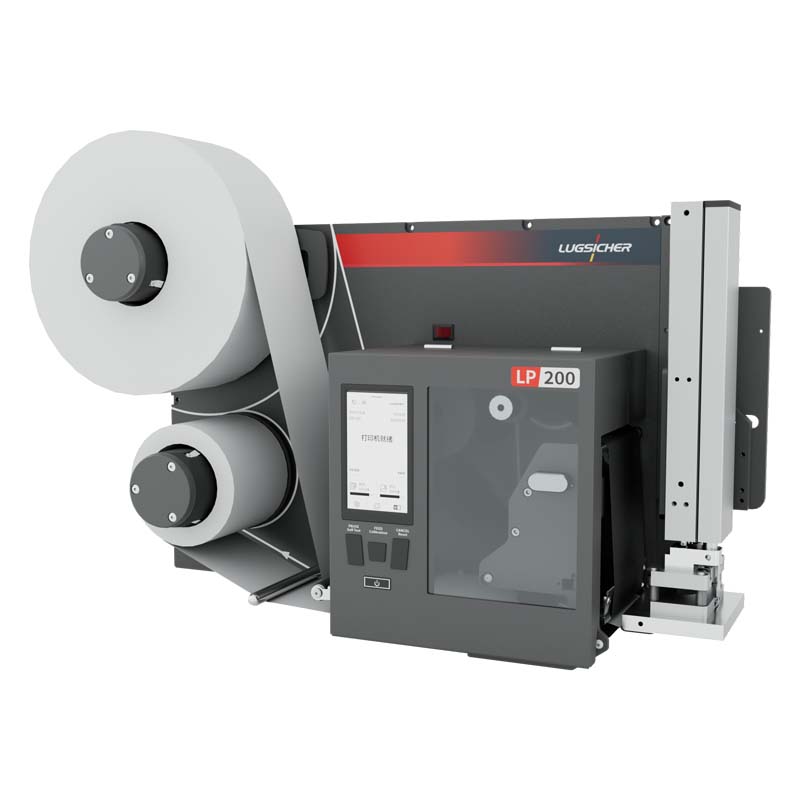
LP200 Labeling Machine
The LP200 Labeling Machine is a broader labeling solution for packaging workflows that require stable label placement, multiple product formats and practical line integration. It is suited for manufacturers comparing labeling routes for bottles, boxes, cartons, containers and packaged products.
Request the LP200 PDF
Please leave your contact details before downloading the product file.
Where It Fits
Flexible labeling support for packaging production
LP200 is positioned for more flexible labeling workflows where product variety, label position and integration details need to be reviewed carefully.
Broader labeling formats
Can be evaluated for multiple product formats including bottles, cartons, boxes and containers.
Line workflow support
Useful for projects that need better consistency, clearer operator flow and structured packaging identification.
Application matching
Supports practical comparison of label size, product shape, fixture method and production speed.
Photo Gallery
LP200 Labeling Machine machine photos
Machine photos provide a quick visual reference for equipment structure, mounting direction and production-line fit.


Photo Gallery
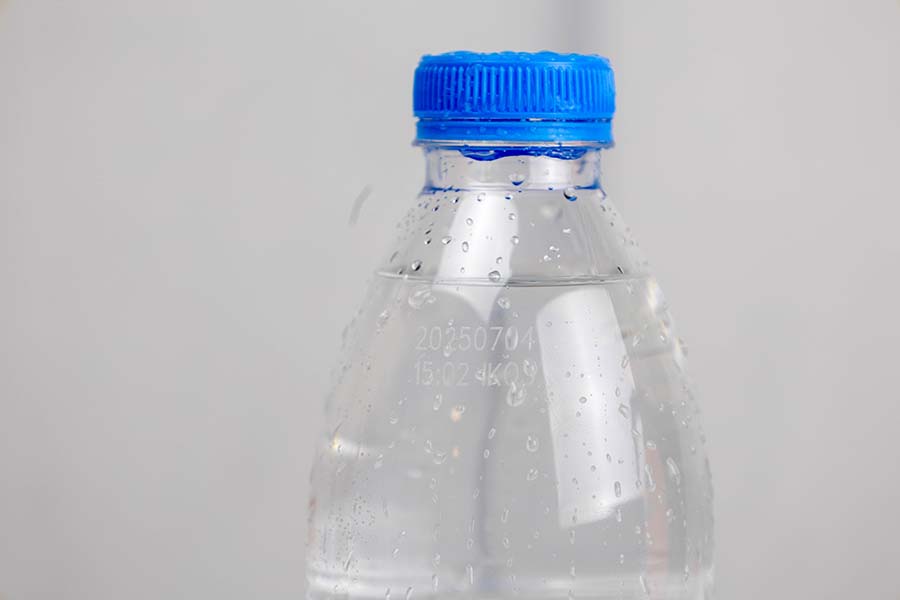
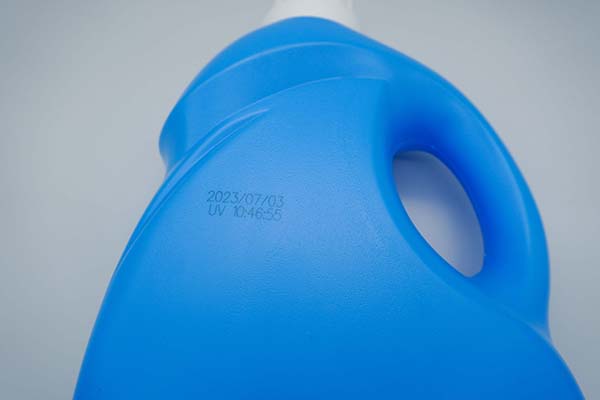
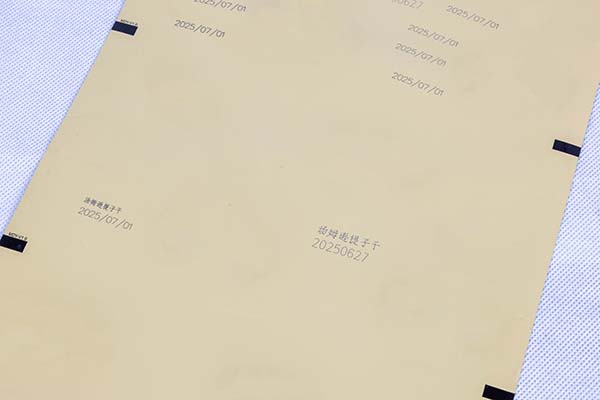
Representative application samples for LP200 Labeling Machine
Application samples help evaluate materials, product formats and use cases before project confirmation.



Technical Parameters
LP200 Labeling Machine dimensions and key specifications
Use this section as a first-stage technical reference. Final selection should consider product format, speed, installation space, integration signals and quality targets.
| Product direction | Flexible Labeling System |
|---|---|
| Typical use | The LP200 Labeling Machine is a broader labeling solution for packaging workflows that require stable label placement, multiple product formats and practical line integration. It is suited for manufacturers comparing labeling routes for bottles, boxes, cartons, containers and packaged products. |
| Project inputs | Product photos, dimensions, target speed, installation layout, quality requirement and sample target should be provided for accurate matching. |
| Integration factors | Trigger position, sensors, communication signals, operator access, safety and downstream workflow should be checked during project planning. |
| Recommendation method | Final configuration should be confirmed through material review, sample testing or production-line discussion. |
Technical details are for initial review. Please use the PDF download or inquiry form for project-specific confirmation.
Applications
Typical LP200 Labeling Machine application scenarios
These use cases help visitors compare product fit before downloading materials or sending an inquiry.
Beverage and food packaging
Labeling for bottles, containers, cartons and packaged food products.
Cosmetics and daily chemical
Front, side or selected surface labeling for bottles, tubes, boxes and containers.
Pharmaceutical packaging
Product information and traceability labels for boxes, bottles and medical packaging workflows.
General industrial packaging
Labels for product identification, logistics and packaging traceability.
FAQ
LP200 Labeling Machine selection questions
These questions help narrow the project direction before quotation or sample confirmation.
Is LP200 faster than LP100?
LP200 is a broader system direction, but actual speed depends on product, label size, fixture and production layout.
Can it label irregular products?
Some irregular products can be handled with fixtures or positioning support, but samples are needed.
What should I provide?
Send product photos, dimensions, label size, roll direction, target speed and label position.
Does it replace laser coding?
Labeling and laser coding solve different needs. Labels are useful for product information; laser is useful for permanent direct marks.
Need to confirm whether LP200 Labeling Machine fits your project?
Send the product format, speed, target result and installation condition. Lugsicher can help compare the suitable equipment direction before final quotation.