
Pharmaceutical Headspace Oxygen Inspection
LROM110 Headspace Oxygen Inspection System
LROM110 measures residual oxygen in the headspace of suitable sealed pharmaceutical ampoules and vials. Its non-destructive, non-invasive laser measurement is intended for online inspection of oxygen-sensitive products, including nitrogen-filled and freeze-dried preparations. Container suitability and acceptance criteria are confirmed using actual samples and production requirements.
Request the LROM110 PDF
Please leave your contact details before downloading the product file.
Where It Fits
Residual oxygen measurement for sealed pharmaceutical containers
Review headspace oxygen alongside the packaging process, container format and inspection criteria.
Headspace oxygen
Measure oxygen in the gas space above the product inside a suitable sealed ampoule or vial.
Non-invasive measurement
Tunable diode laser absorption spectroscopy (TDLAS) measures oxygen through the container without opening it or taking a destructive gas sample.
Process assessment
For appropriate nitrogen-filled or freeze-dried packages, oxygen results can support process monitoring and container closure integrity assessment. Limits and interpretation require project validation.
Equipment Views
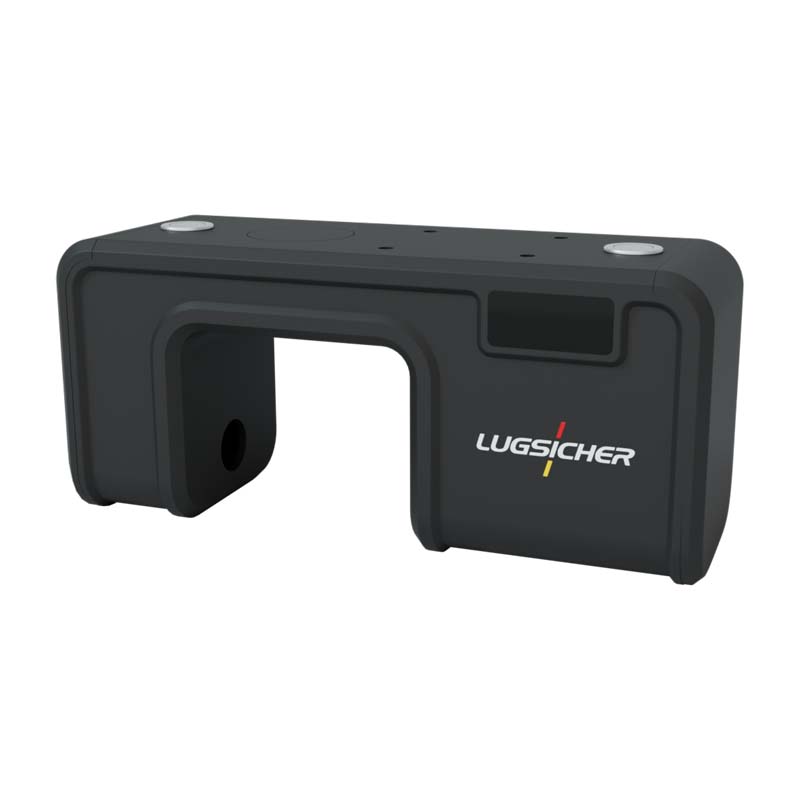
LROM110 system and equipment details
Use these views to discuss installation space, product handling and the proposed measurement position.


Technical Parameters
LROM110 measurement method and technical reference
Initial reference values from the Lugsicher product information. Confirm the configuration using actual containers, fill conditions and the required inspection cycle.
| Measured gas | Oxygen (O2) in the container headspace |
|---|---|
| Method | Tunable diode laser absorption spectroscopy (TDLAS); non-destructive and non-invasive |
| Laser wavelength | 760 nm |
| Laser power | <5 mW |
| Headspace height | ≥8 mm |
| Vial formats | 2R-50R; suitability must be confirmed with actual containers |
| Interfaces | Ethernet, USART |
| Sample inputs | Container dimensions and wall condition, fill level, available headspace, positioning, target cycle and acceptance criteria |
These values do not establish suitability or a validated inspection result for a specific package. Ask for a container-specific assessment and current technical documentation.
Applications
Headspace oxygen inspection on pharmaceutical packaging lines
Start with the container and process conditions, then define the measurement and handling plan.
Sealed ampoules
Assess oxygen measurement in the available headspace of an actual ampoule sample.
Pharmaceutical vials
Review vial geometry, wall condition, fill level and measurement position before selecting the configuration.
Nitrogen-filled or freeze-dried products
Evaluate residual oxygen against the requirements established for the product and packaging process.
Online result handling
Plan product synchronization, PLC/MES data exchange, out-of-range handling and recheck logic. Read the line-integration guide.
FAQ
LROM110 headspace oxygen inspection questions
Prepare the measurement objective and actual bottle samples before quotation or testing.
What does LROM110 measure?
It measures residual oxygen in the headspace of suitable sealed ampoules and vials. The measurement concerns the gas above the product.
How does the laser measurement work?
TDLAS uses oxygen absorption of a tuned laser beam through the container headspace to determine oxygen content without opening the package.
What must be confirmed with bottle samples?
Review the container wall, geometry, fill level, headspace and target cycle, together with reference samples, acceptance limits and the intended handling of abnormal results.
How does this differ from LPV500?
LROM110 measures headspace oxygen. For label, printed-character or code inspection, review the separate LPV500 inspection system and its application requirements.
Plan an LROM110 headspace oxygen inspection project
Send the bottle format, dimensions, fill level, available headspace, product and process conditions, target cycle and inspection requirements. Lugsicher can review sample suitability, measurement position, interfaces and the proposed result-handling workflow before quotation.