
Mark operator-supplied producer codes, dates, grade or weight data, batches and brand information on suitable shells.
Direct-to-eggshell UV laser coding for grading lines
MZ520U Eggshell Laser Marking System
A 20 W, 355 nm UV laser system built to mark directly on eggshells—not egg cartons—on egg grading and packing lines. Configure operator-supplied producer codes, dates, grades, batches or brand marks, with job selection linked to grader signals. Final mark quality and throughput are verified with your eggs and line layout.
355 nm UV laserNon-contact & ink-freeBlunt-end or side marking
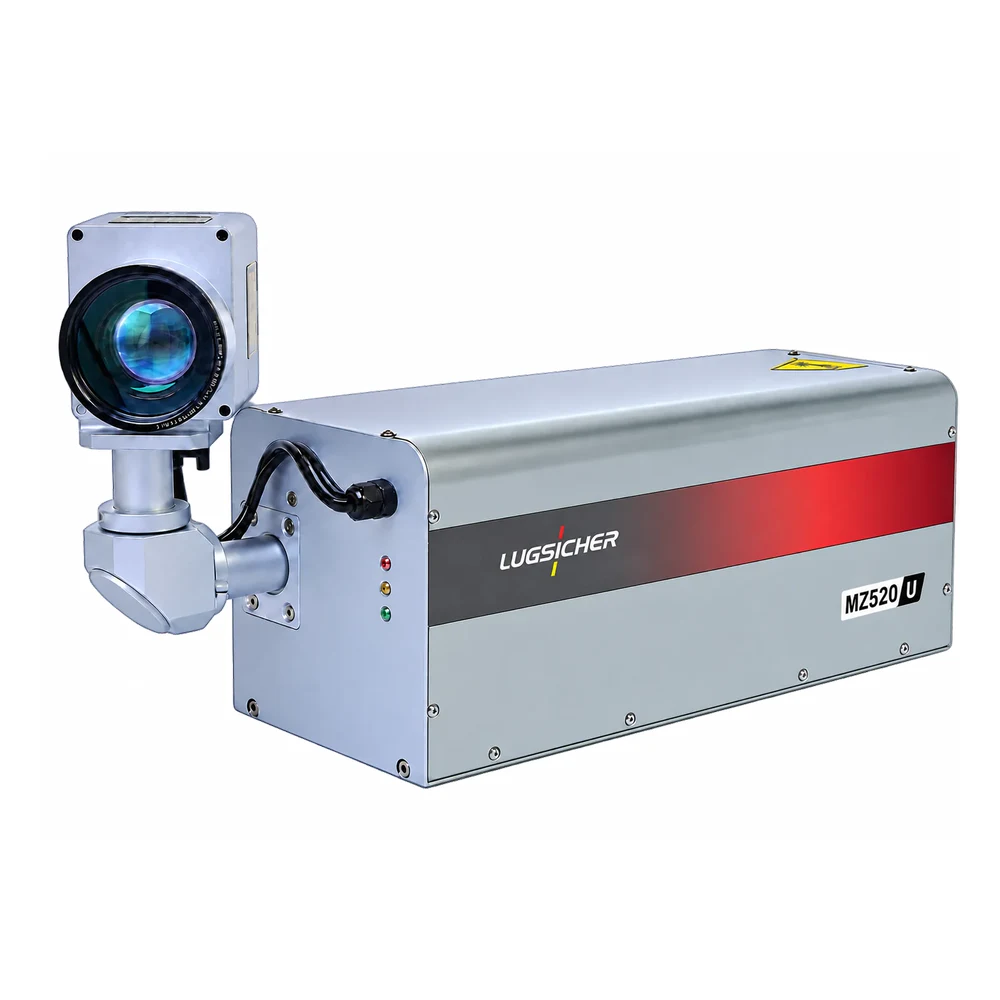
Purpose-built for egg processing
Mark the right content at the right grading station
Content can be selected by weight, grade, sorting lane or batch. Final trigger logic, station count and interfaces are confirmed against the real grader cycle.
Use product detection, encoder input and grading results to select the required job at production speed.
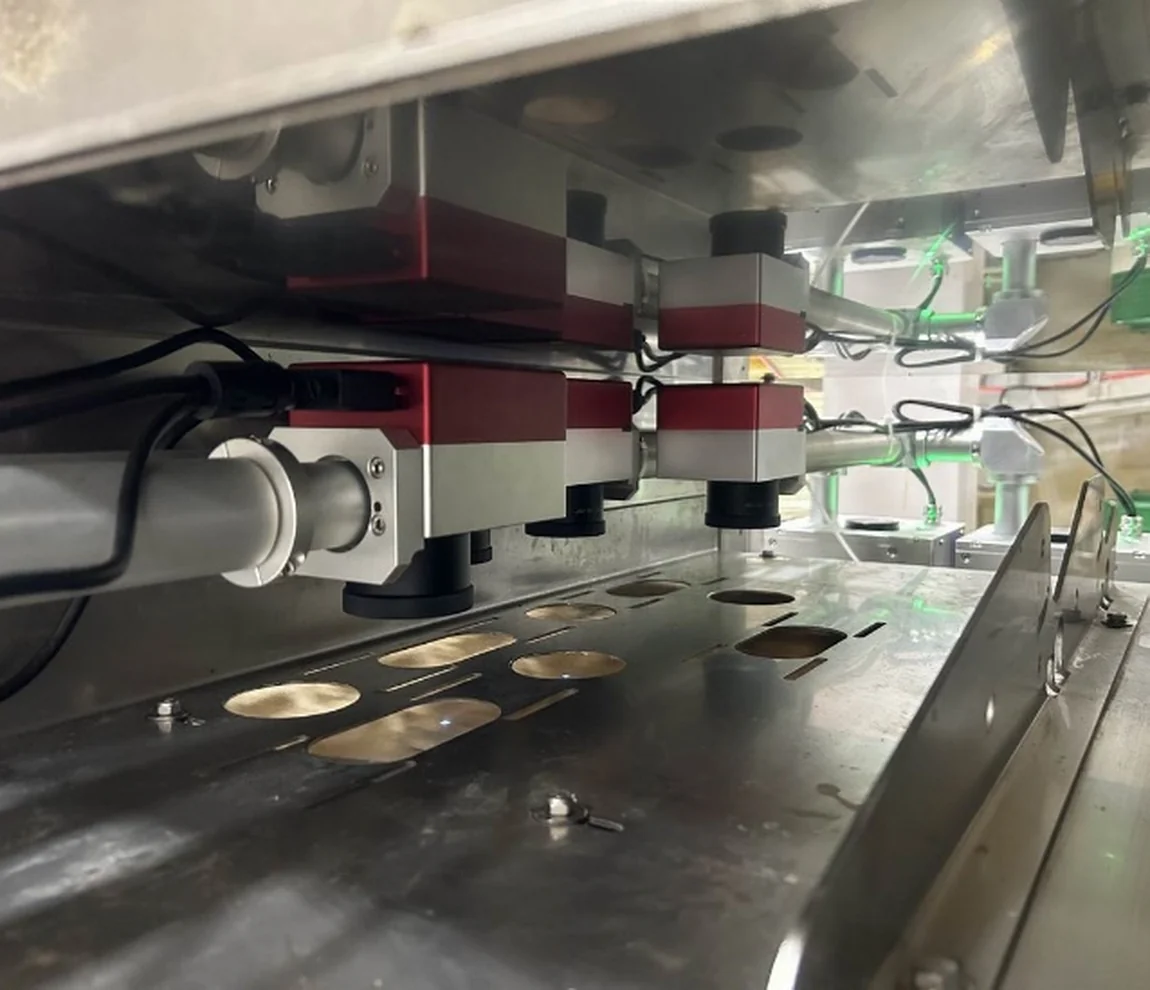
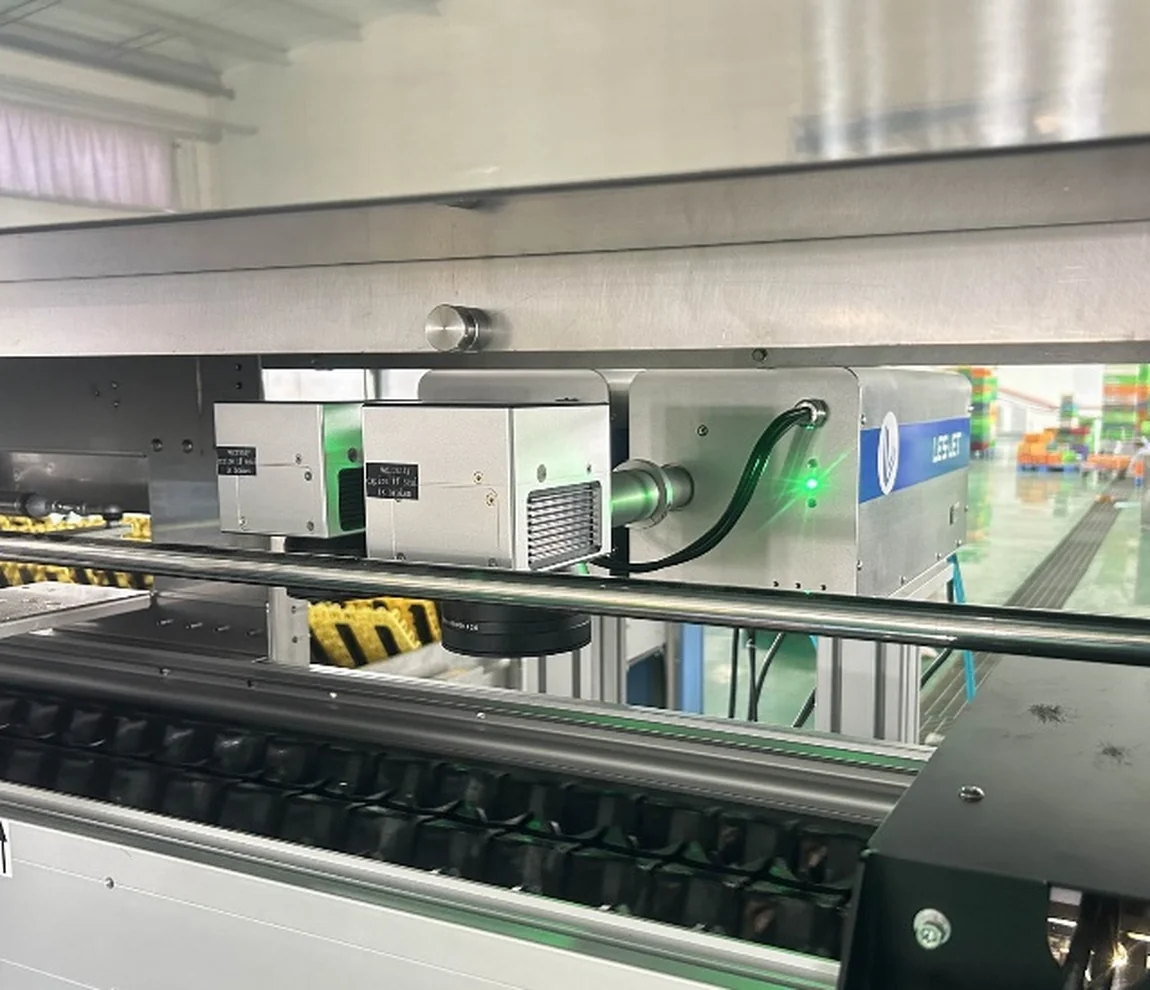
Configure multiple heads and articulated mounts for blunt-end or lower-side marking positions.
Non-contact, ink-free marking removes ink replacement from the daily coding workflow.
Real marking samples
Eggshell laser marking samples: dates, batches and 2D codes
These photographs show test markings on real brown eggshells. Shell colour, cleanliness, curvature and surface condition affect the final contrast and code readability.
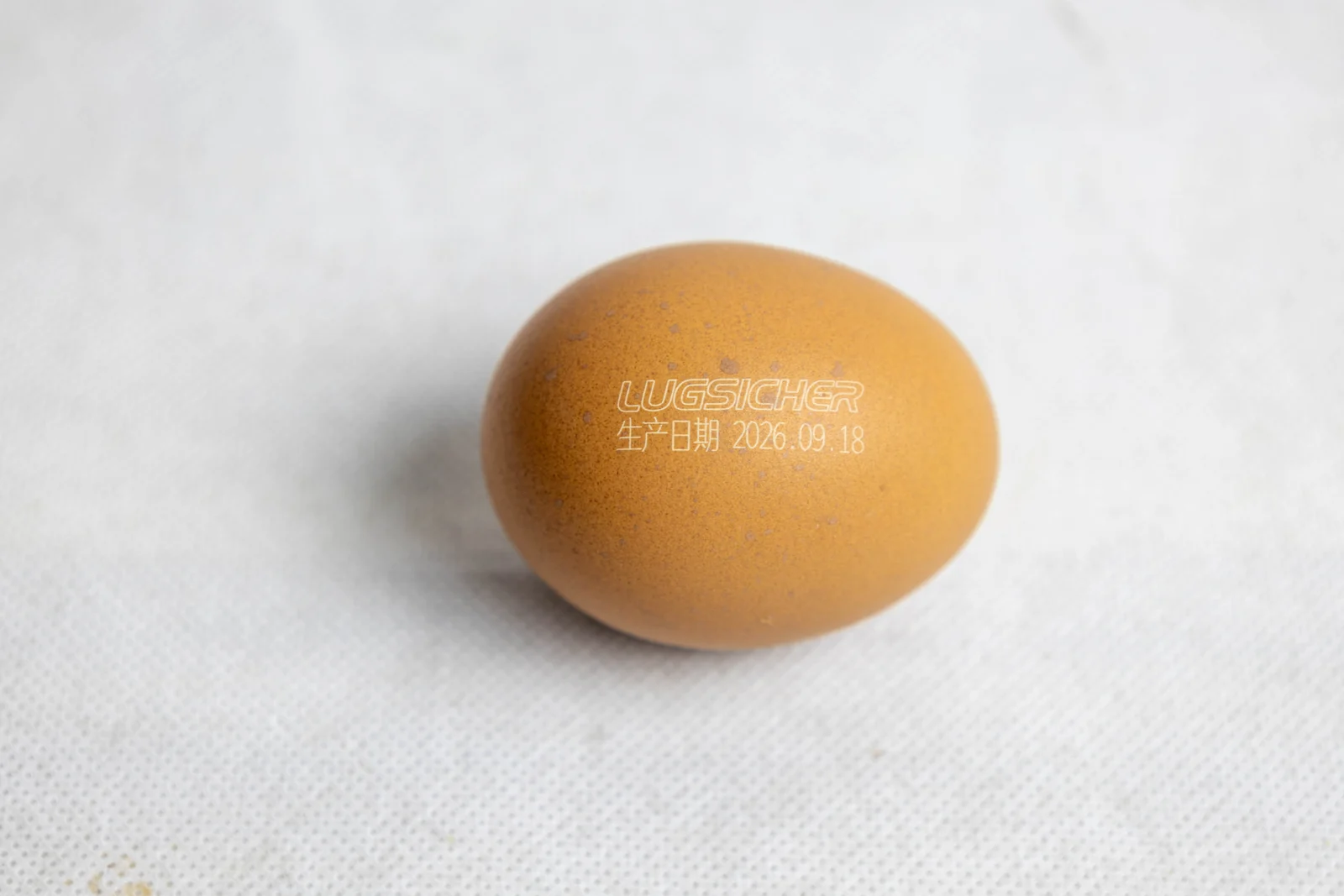
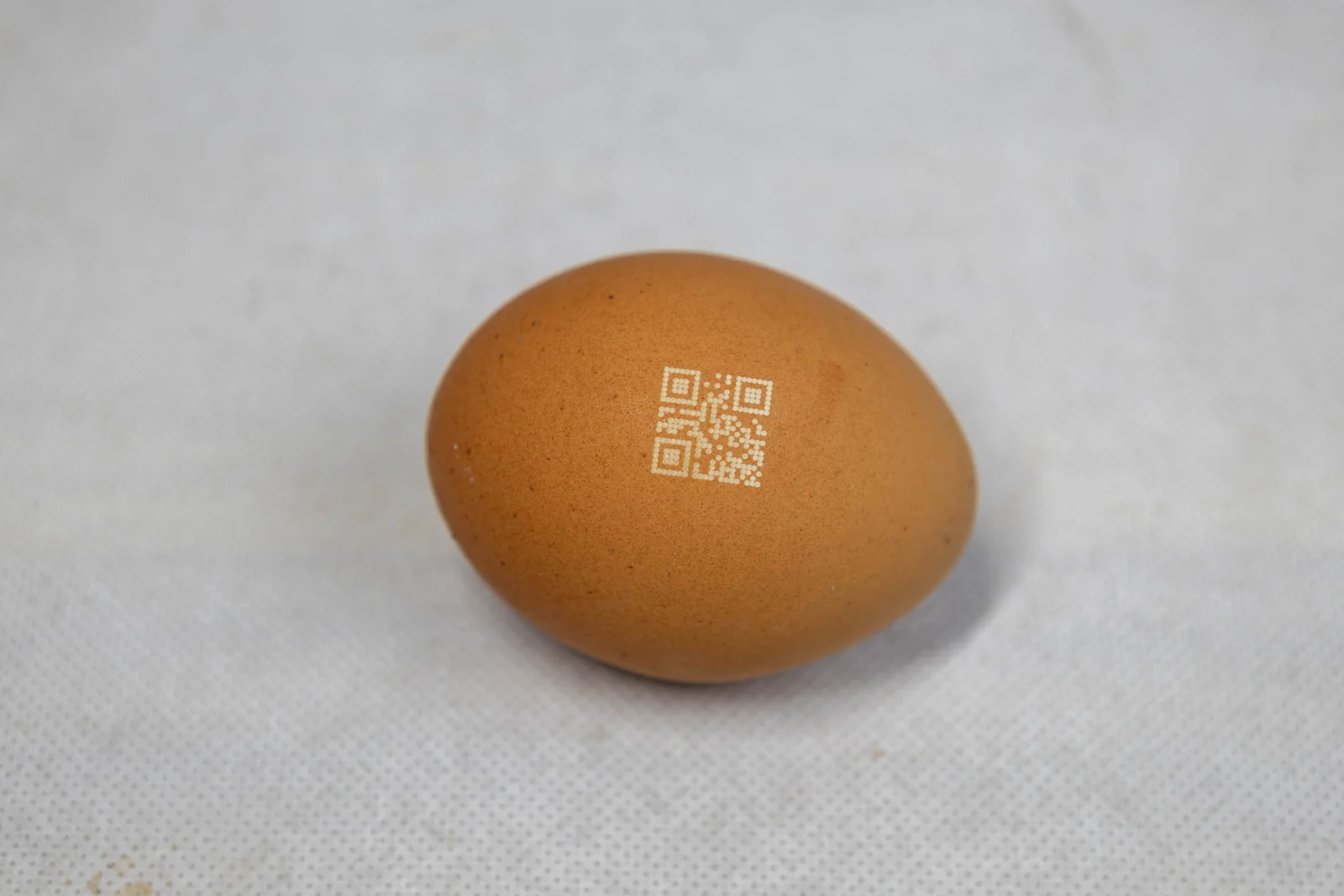
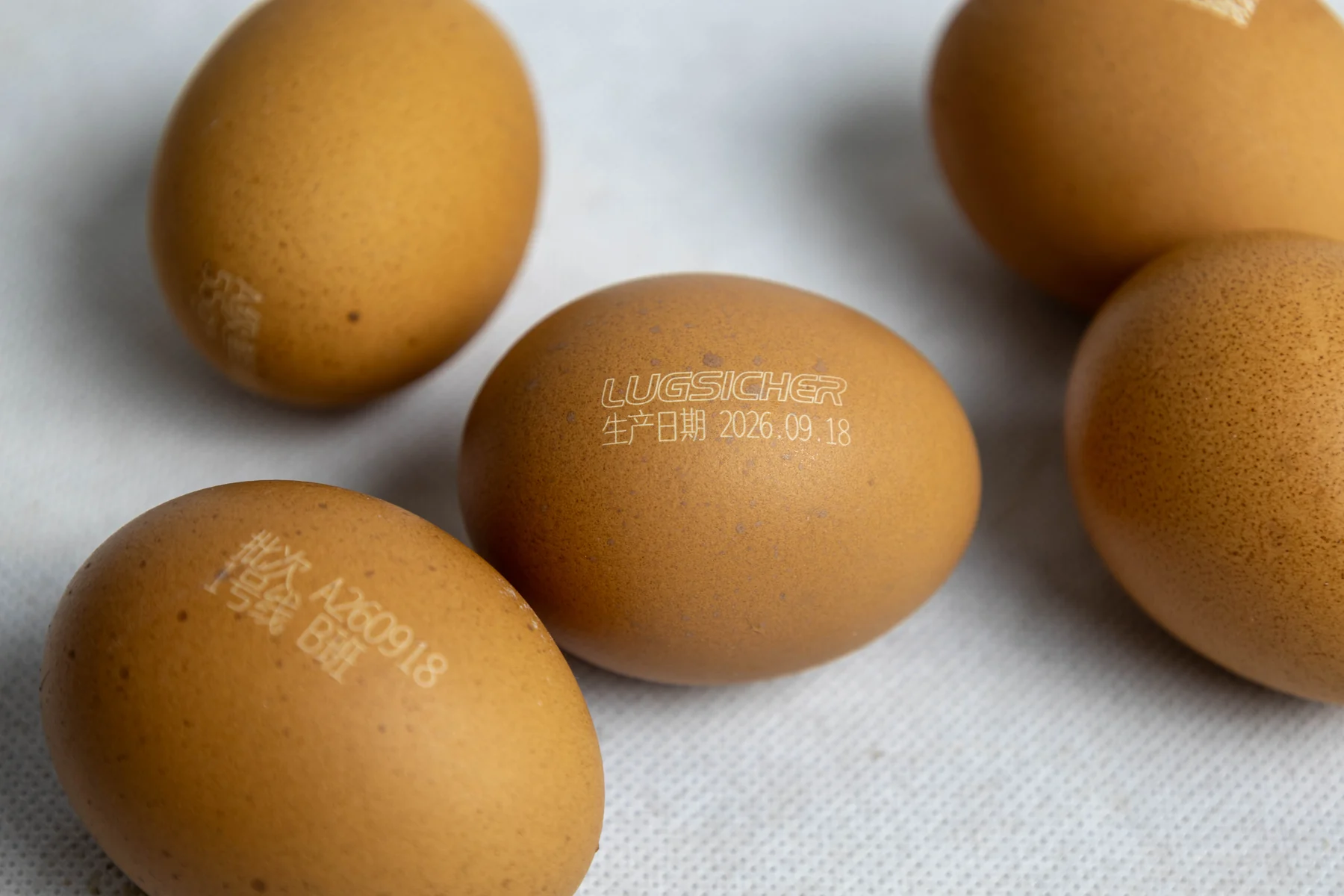
The Chinese text and codes shown are capability samples, not examples of an approved EU producer code. Test the actual code format, position and readability on eggs from the intended supply chain before approving a production configuration.
Grading-line integration
Two practical marking positions
The head arrangement is adapted to the grader, egg orientation, available space and maintenance access.
European egg-line projects
Plan the shell code and grading-line integration together
The MZ520U is an egg coding machine for marking the shell itself. Confirm the required producer-code content with your quality team, then test the mark and trigger timing on your actual eggs and grader.
Supply the required text and target marking position; code format and legal suitability remain the operator’s responsibility.
Map egg detection, encoder signals and grading results to the correct marking job for each position.
Confirm throughput by lane, egg spacing, code length, optical field and number of marking heads—not laser speed alone.
Test shell variation and handling conditions; validate 2D-code scanning separately if that is part of the project.
For EU projects, check the applicable EU egg marketing standards and local requirements. This page describes marking capability, not regulatory certification.
Technical data
MZ520U egg-line parameters
Use these values for preliminary selection. The approved technical order defines the final optics, station count, marking position and interfaces.
| Laser type / wavelength | UV laser / 355 nm |
|---|---|
| Rated / peak output | 20 W / 26 W |
| Focal length | Standard F = 254 mm; optional 80–1450 mm |
| Marking field | Standard 175 × 175 mm; project options up to 900 × 900 mm |
| Galvo marking speed | Up to 14,000 mm/s |
| Line-speed reference (not eggs/hour) | 0–350 m/min, subject to egg spacing, content, optics and grader cycle |
| Character height / files | 0.6 mm to marking-field limit / BMP, DXF, HPGL, JPEG, PLT |
| Inputs | Product sensor (NPN, 5–24 V), incremental encoder (NPN), grading result, print control and job selection |
| Interfaces | RS232, Ethernet, USB 2.0 and I/O; project-based PLC, MES and traceability integration |
| Power / cooling | 100–240 VAC, max. 3 A, 50/60 Hz / water cooling / max. 600 W draw |
| Environment | IP54; 0–40 °C; 10–90% RH, non-condensing |
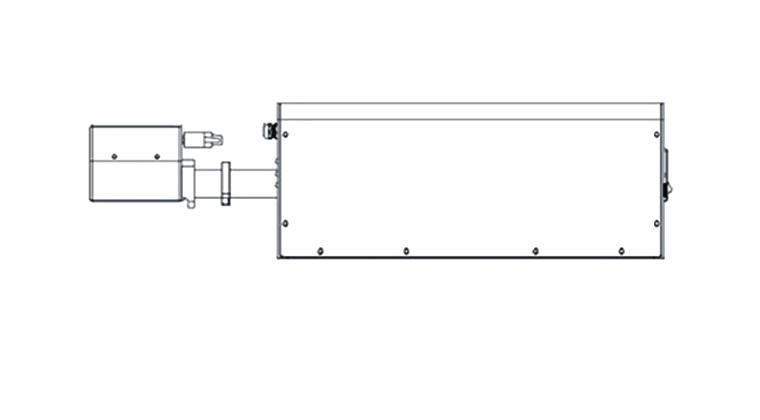
| Construction / size | Anodized aluminium and 316 stainless-steel housing; 535 × 190 × 193 mm; 22 kg excluding scan head |
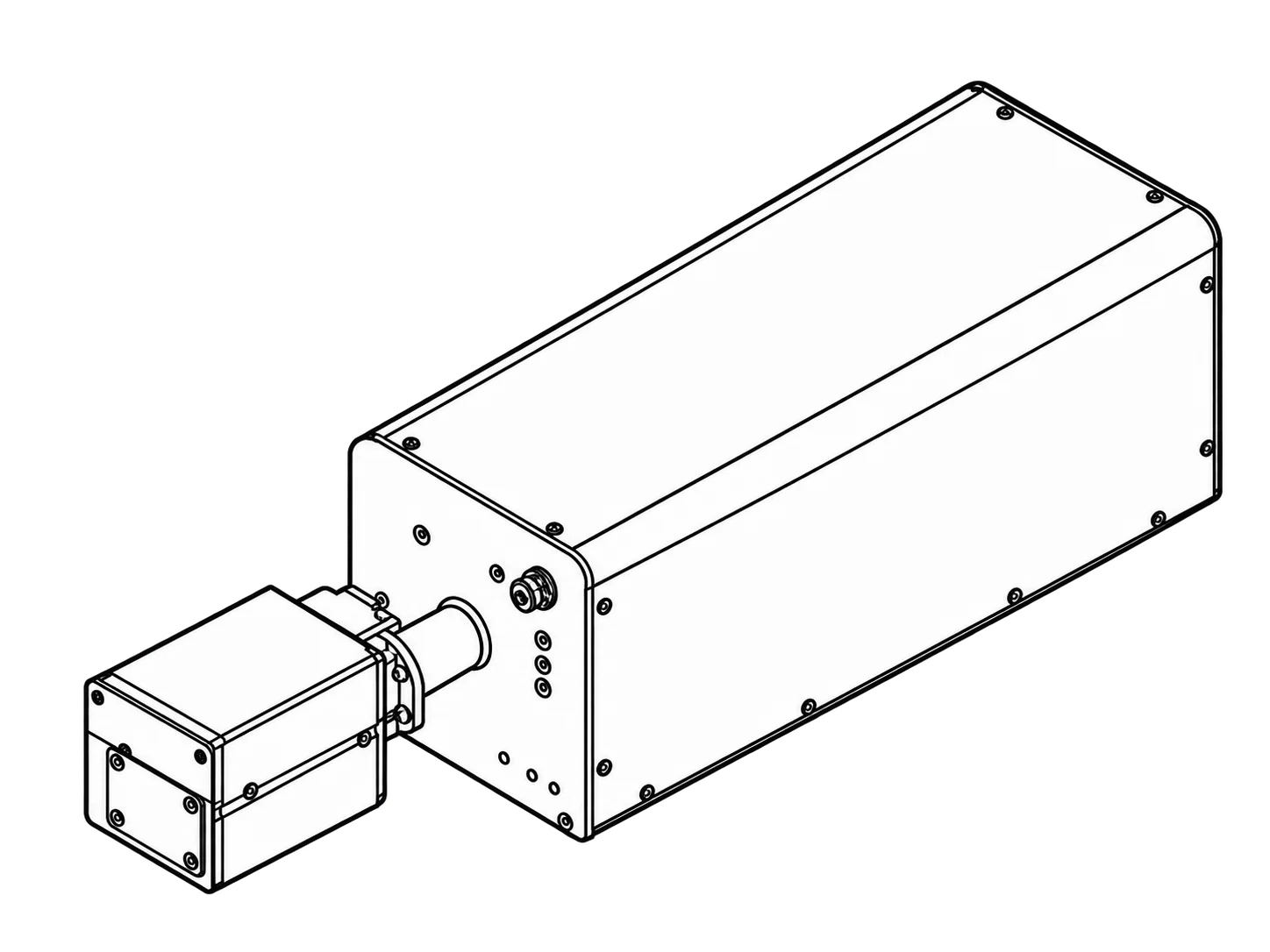
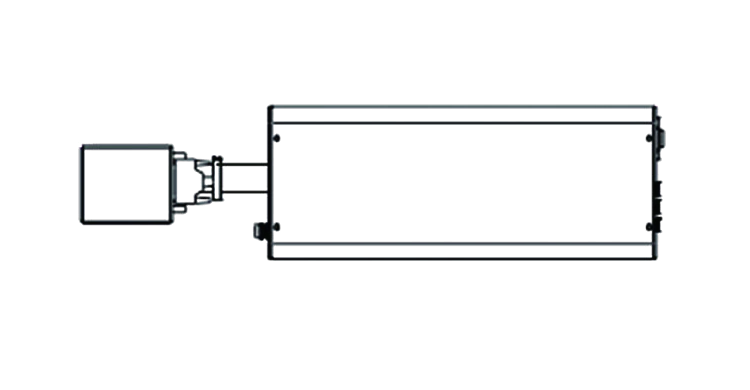
Mechanical reference
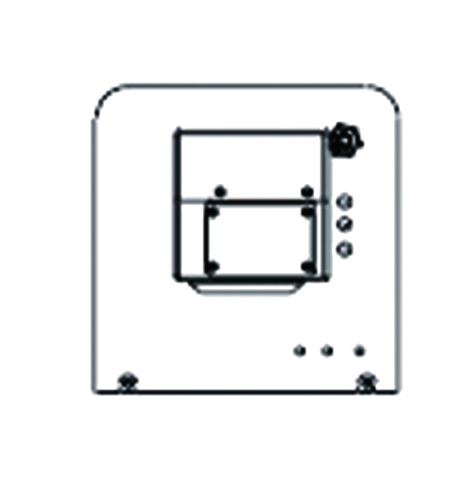
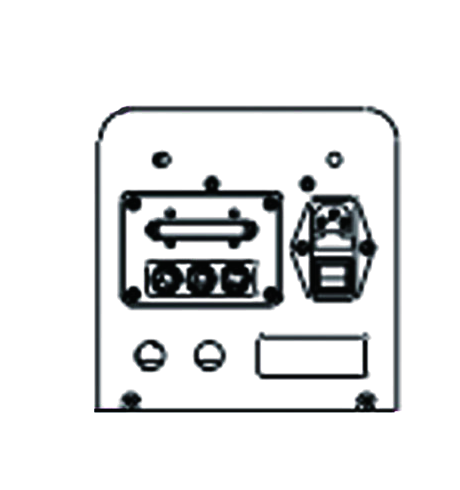
Housing, scan head and connection views
These drawings support early layout discussions. Final mounting dimensions and cable routing are confirmed with the project drawing.
FAQ
Planning an egg laser marking project
What can the MZ520U mark on eggs?
The system can apply production and best-before dates, grades, weights, batch data, brand information and variable traceability codes on suitable eggshells.
Can the MZ520U use grading-machine data?
Yes. Project integration can use grader results, encoder input and egg-detection signals to select content by weight, grade, lane or batch.
Can one system support multiple marking positions?
The final configuration can use multiple heads, stations and articulated mounts for blunt-end or side marking, subject to the approved line layout.
Is sample testing required?
Yes. Shell colour, cleanliness, curvature, density, marking content and line speed affect the result, so original eggs should be tested before final configuration.
Can it mark an EU producer code directly on an egg?
The system can be configured for operator-supplied alphanumeric content on suitable eggshells. The required producer-code format, placement, legibility and legal suitability must be checked for the destination market and validated on real eggs.
How many eggs per hour can the MZ520U mark?
There is no universal eggs-per-hour figure. Capacity depends on lanes, egg spacing, code content, optical field, trigger timing and the number of heads. The line-speed reference in the technical data is not a guaranteed egg throughput.
Next step
Validate the shell, mark and grader cycle together
Send representative eggs, target content, line speed, lane count, grading-machine model and installation photos. Lugsicher can evaluate the marking result and proposed integration before quotation.