
Vision Inspection System
LPV500 Inline Code and Label Inspection System
The LPV500 Inspection System supports packaging and production inspection workflows where code readability, label presence, product appearance or traceability checks need to be verified online. It helps manufacturers reduce missed defects and improve quality control around identification and packaging operations.
Request the LPV500 PDF
Please leave your contact details before downloading the product file.

Where It Fits
Online inspection for packaging quality and traceability checks
LPV500 is reviewed when production lines need more structured inspection for labels, codes, packaging appearance and product quality signals.
Code and label checks
Can support verification of presence, position, readability and packaging identification features.
Quality control support
Helps reduce missed visual defects and creates a clearer inspection step in manufacturing workflows.
Line integration
Inspection can be evaluated around cameras, lighting, trigger position, rejection logic and production speed.
Photo Gallery
LPV500 Inspection System machine photos
Machine photos provide a quick visual reference for equipment structure, mounting direction and production-line fit.


Photo Gallery
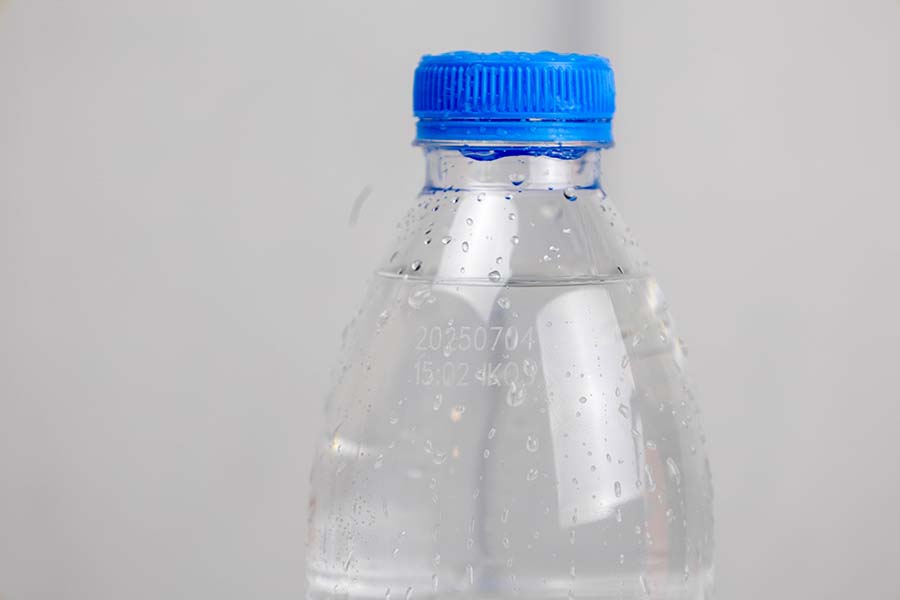
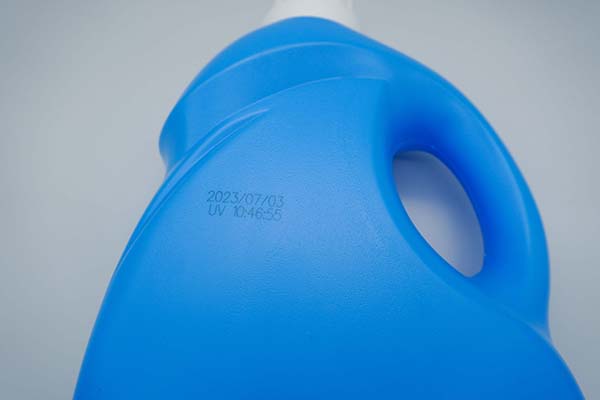
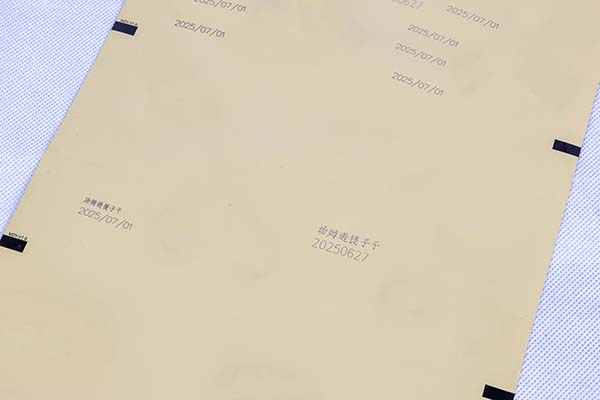
Representative application samples for LPV500 Inspection System
Application samples help evaluate materials, product formats and use cases before project confirmation.


Technical Parameters
LPV500 Inspection System dimensions and key specifications
Use this section as a first-stage technical reference. Final selection should consider product format, speed, installation space, integration signals and quality targets.
| Product direction | Vision Inspection System |
|---|---|
| Typical use | The LPV500 Inspection System supports packaging and production inspection workflows where code readability, label presence, product appearance or traceability checks need to be verified online. It helps manufacturers reduce missed defects and improve quality control around identification and packaging operations. |
| Project inputs | Product photos, dimensions, target speed, installation layout, quality requirement and sample target should be provided for accurate matching. |
| Integration factors | Trigger position, sensors, communication signals, operator access, safety and downstream workflow should be checked during project planning. |
| Recommendation method | Final configuration should be confirmed through material review, sample testing or production-line discussion. |
Technical details are for initial review. Please use the PDF download or inquiry form for project-specific confirmation.
Applications
Typical LPV500 Inspection System application scenarios
These use cases help visitors compare product fit before downloading materials or sending an inquiry.
Packaging inspection
Label presence, label position, code visibility and packaging appearance checks.
Food and beverage lines
Visual checks around bottle, carton, label and packaging identification workflows.
Pharmaceutical packaging
Inspection support for readable codes, correct labels and packaging quality checks.
Daily chemical products
Bottle, container, label and cap-area inspection for packaging workflows.
Define the code and label inspection task
An inline code inspection system needs a clear description of a good product and a reject. Checking whether a code is present, whether it is correctly positioned and whether its data can be read are different tasks. For an LPV500 application review, specify which checks matter for your packaging and how a failed check should be handled.
- For presence checks, include missing labels, missing codes and partially printed examples.
- For position checks, show the permitted label or code area and examples outside that area.
- For reading tests, provide the expected text or code data alongside faint, distorted or difficult-to-read samples.
Review inspection and rejection at production speed
Supply both acceptable and defective products, with photos of the camera location and the available installation space. Include the product spacing, orientation, target line speed and any variation in the surface or printed background. These inputs help define the lighting, viewing angle and inspection window for a meaningful trial.
Trigger timing, communication with line controls and downstream reject hardware should be reviewed together. Confirm how a failed inspection is tracked to the correct product and how the proposed rejection sequence will be tested on the line.
For related planning, see GS1 2D code readiness and food and beverage applications. Send your inspection samples and requirements to discuss the LPV500 setup.
FAQ
LPV500 Inspection System selection questions
These questions help narrow the project direction before quotation or sample confirmation.
What can LPV500 inspect?
Typical checks include label presence, code readability, position, appearance and selected packaging defects.
Does lighting matter?
Yes. Lighting, camera position and product stability strongly affect inspection accuracy.
Can it reject bad products?
Reject logic can be evaluated with line controls and downstream rejection hardware.
What information is needed?
Send product photos, inspection target, line speed, defect examples and available installation space.
Need to confirm whether LPV500 Inspection System fits your project?
Send the product format, speed, target result and installation condition. Lugsicher can help compare the suitable equipment direction before final quotation.