
UV Laser Marking System
LU100 UV Laser Marking Machine
The LU100 UV Laser is designed for fine, high-contrast marking on sensitive materials where low thermal impact and clean edges matter. It is suitable for precision coding on selected plastics, glass, electronics, packaging films, medical components and other materials that respond well to UV laser processing.
Request the LU100 PDF
Please leave your contact details before downloading the LU100 product file.
Where It Fits
Precision UV laser marking for sensitive substrates
LU100 is used when standard laser routes may create too much heat, deformation or rough edges. It is usually evaluated for fine codes, small characters, high-resolution graphics and marks on sensitive surfaces.
Low thermal influence
UV marking can reduce heat-related deformation on suitable plastics, films and sensitive components compared with higher thermal marking methods.
Fine code readability
Suitable for small text, QR codes, Data Matrix codes, serial numbers and micro-scale identifiers where clean edge definition is important.
Material flexibility
Often evaluated for plastics, glass, electronics, medical materials, cosmetic packaging and other substrates after sample confirmation.
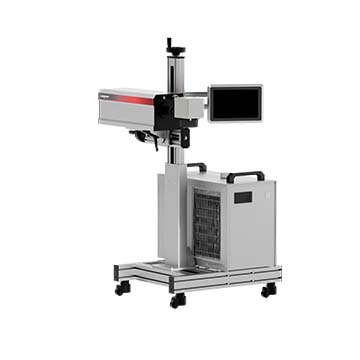
Machine Photo Gallery
LU100 UV Laser machine photos
Product photos show the LU100 structure and hardware direction for first-stage comparison.


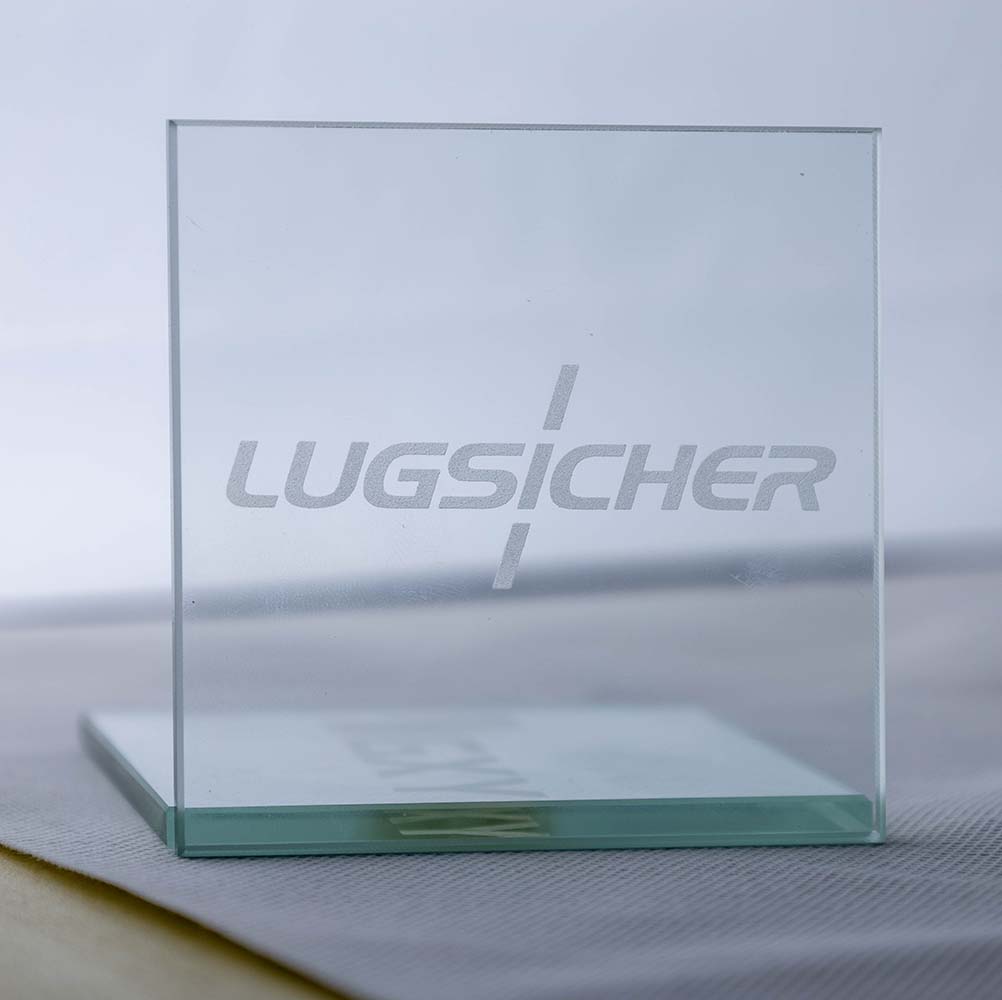
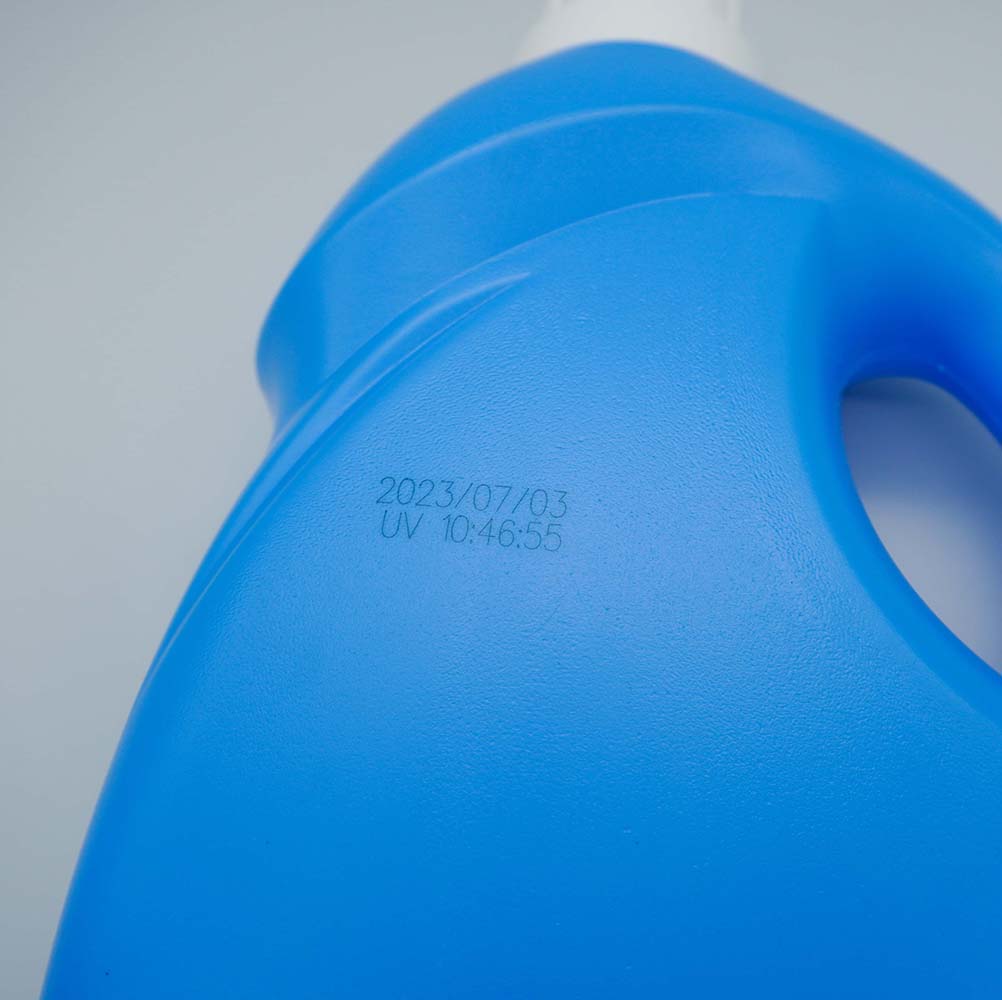
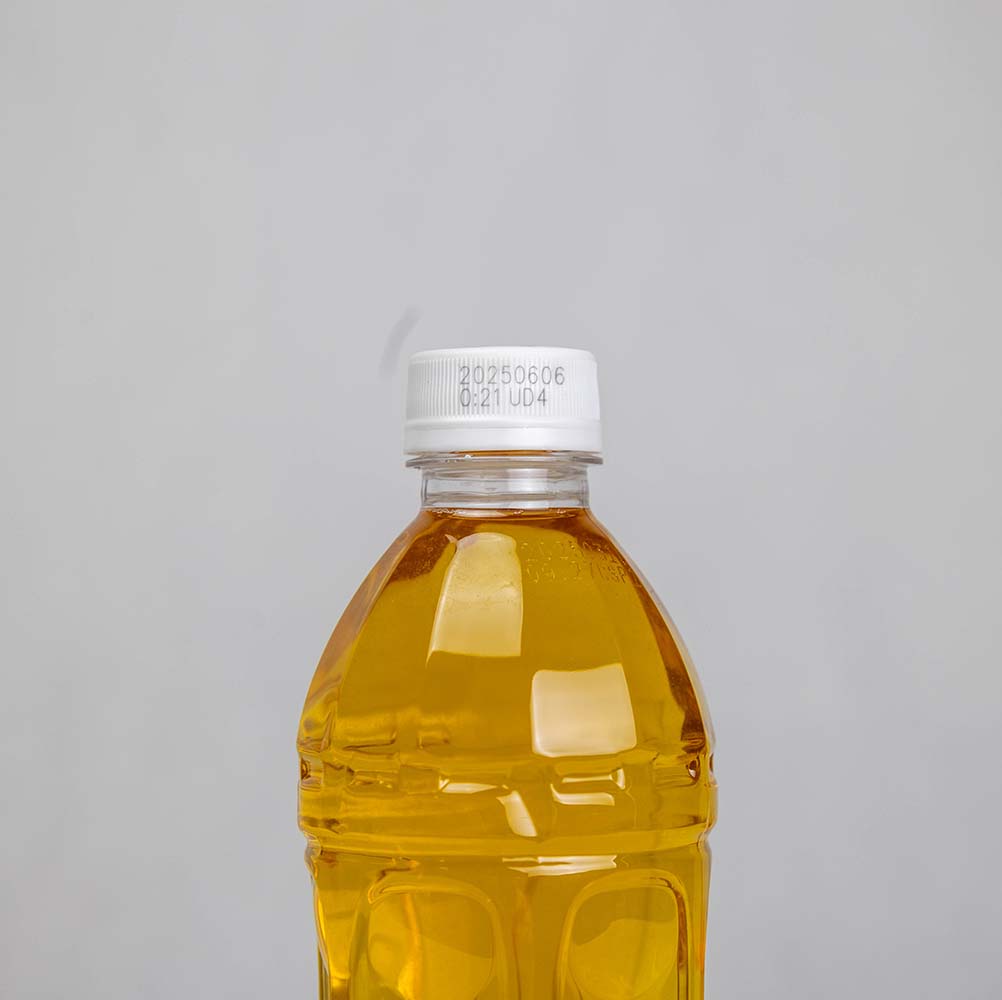
Application Samples
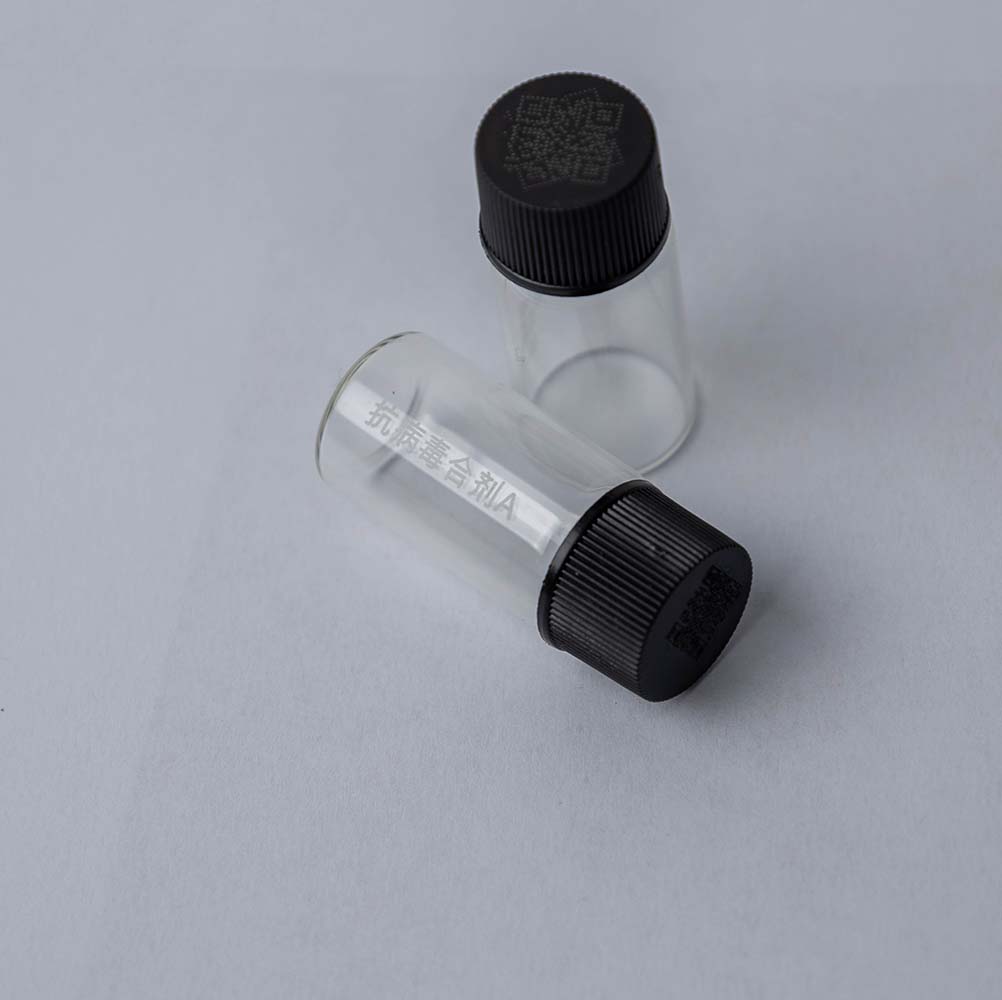
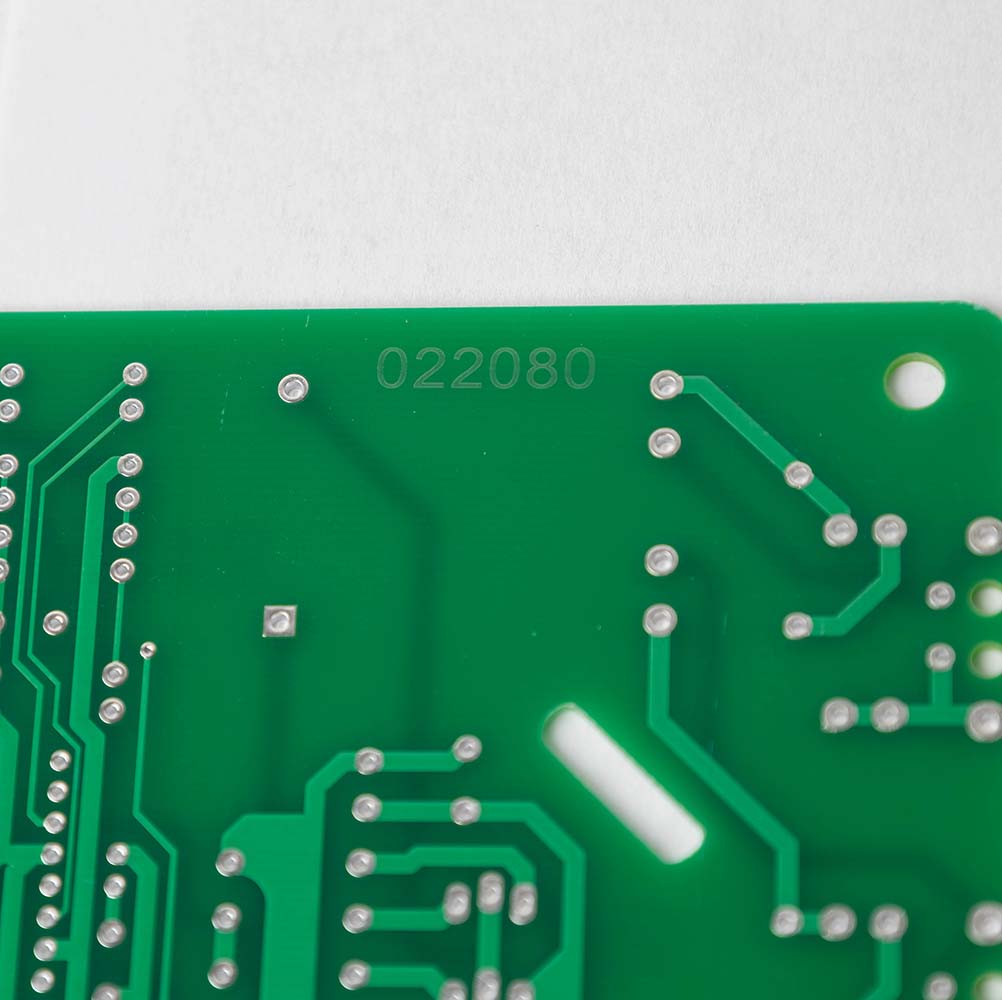
Representative samples for LU100 UV Laser marking
Sample images help evaluate contrast, precision and material response before confirming UV laser selection.
Technical Parameters
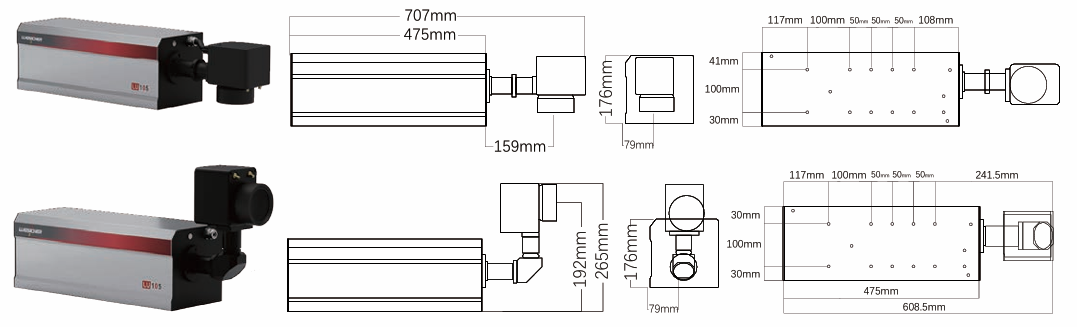
LU100 UV Laser dimensions and key specifications
Use these values for initial review. Final performance depends on material, mark size, contrast target, lens, speed and safety setup.
| Typical marking content | Small characters, dates, batch codes, serial numbers, logos, QR codes and Data Matrix codes for high-resolution traceability. |
|---|---|
| Common substrates | Selected plastics, glass, films, electronics, cosmetic packaging, medical components and other UV-responsive materials after testing. |
| Application direction | Fine marking, low-heat marking, high-contrast coding and precision identification for sensitive surfaces. |
| Production mode | Static or flying marking can be considered according to line speed, marking window and trigger/encoder setup. |
| Selection factors | Material, color, coating, code size, cycle time, optical lens, marking distance, fixture position and readability requirement. |
| Integration | Product detection, encoder signal, I/O and communication requirements should be reviewed against the production-line layout. |
UV laser marking is highly material-specific. Sample testing is recommended before final model and process confirmation.
Applications
Typical LU100 UV Laser application scenarios
LU100 is a good first-stage option where the mark must be fine, clean and readable on sensitive materials.
Electronics
Fine QR codes, serial numbers and component identifiers on housings, connectors, boards or precision parts.
Medical and pharmaceutical
High-resolution identification on selected medical components, packaging or traceability materials where testing confirms suitability.
Cosmetics packaging
Clean date codes, lot codes and decorative identification on selected plastics, caps, containers and packaging surfaces.
Films and specialty plastics
Low-heat coding for materials that need cleaner edges or less deformation than standard thermal marking routes.
FAQ
LU100 UV Laser selection questions
These questions help evaluate whether UV laser is the right route before quotation or sample testing.
Why choose UV instead of fiber laser?
UV is often better for sensitive plastics, glass or fine marks where low thermal impact and clean edges are more important than deep metal marking.
Is LU100 suitable for all transparent materials?
No. Transparent material response depends on composition and additives. Sample testing is required to confirm contrast and readability.
Can it mark small Data Matrix codes?
UV laser can be suitable for small machine-readable codes when material, lens, code size and inspection requirements are matched properly.
What project data is needed?
Send material, product photo, code size, line speed, sample target, installation space and readability standard for a useful first recommendation.
Need to confirm whether LU100 fits your material?
Send the substrate, code content and target contrast. Lugsicher can compare UV with fiber, CO2 or labeling options before final recommendation.